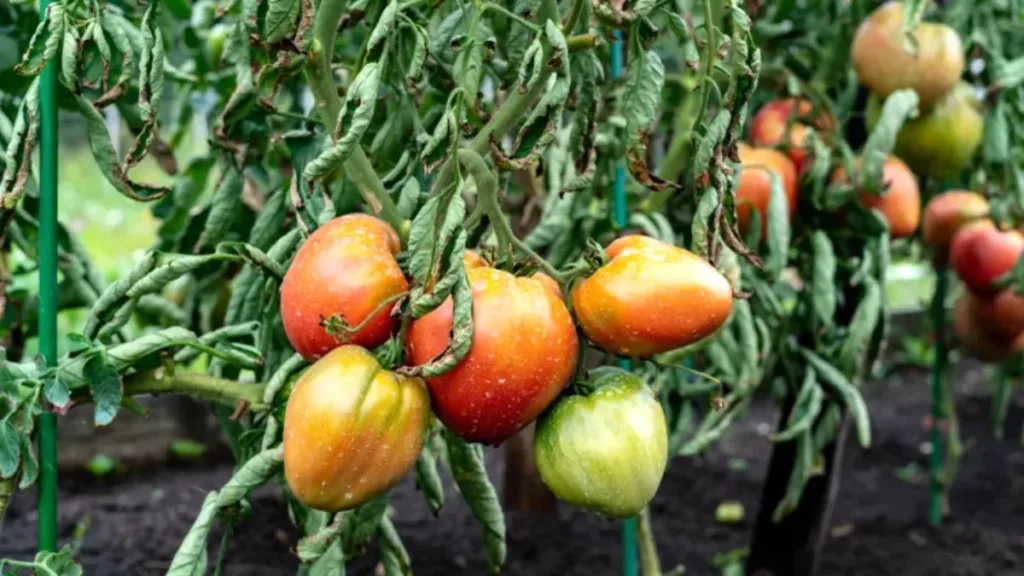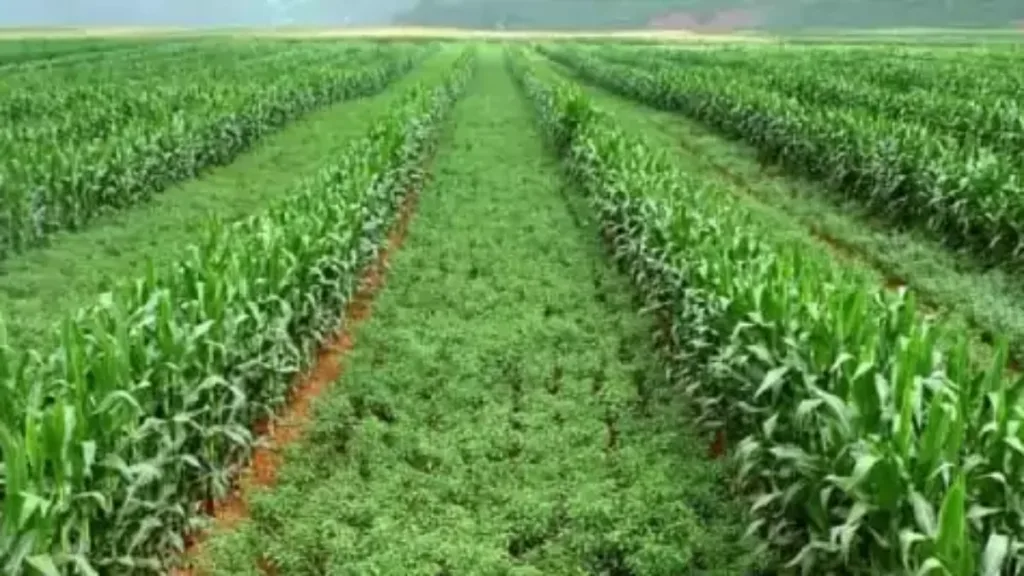
Vegetable cultivation involves the growing of vegetables for consumption, either on a small scale for personal use or on a larger scale for commercial purposes. It requires careful planning, soil preparation, selection of appropriate crops, and ongoing care to ensure a successful harvest. It is a critical part of agriculture, providing essential nutrients and variety to human diets.
Advantages of vegetable cultivation
1. Health and nutrition
- Access to Fresh Produce: Growing your own vegetables ensures access to fresh, nutritious food that is often superior in quality to store-bought options.
- Nutrient-Rich Diet: Vegetables are rich in essential vitamins, minerals, and dietary fibre, contributing to a healthy, balanced diet.
- Chemical-Free Food: Homegrown or organically cultivated vegetables are free from harmful pesticides and chemicals, reducing health risks.
2. Economic benefits
- Cost Savings: Growing your own vegetables can significantly reduce grocery bills by providing a steady supply of fresh produce.
- Income Generation: For small-scale farmers and market gardeners, vegetable cultivation can be a source of income through local sales or community-supported agriculture (CSA) programs.
- Job Creation: In commercial settings, vegetable farming can create employment opportunities in planting, harvesting, processing, and selling produce.
3. Environmental sustainability
- Soil Health: Vegetable cultivation, especially when done with sustainable practices like crop rotation and organic farming, can improve soil fertility and structure.
- Biodiversity: Growing a variety of vegetables promotes biodiversity, both above and below the soil, which can lead to a more resilient ecosystem.
- Reduced Carbon Footprint: Local vegetable cultivation reduces the need for transportation and packaging, lowering the carbon footprint associated with food production and distribution.
4. Community and social benefits
- Food Security: Vegetable cultivation can enhance food security by providing a reliable source of food, particularly in urban areas or regions with limited access to fresh produce.
- Community Engagement: Community gardens and urban farming projects can bring people together, fostering social connections and strengthening community ties.
- Education and Skills: Growing vegetables teaches valuable skills related to agriculture, nutrition, and sustainability, benefiting both children and adults.
5. Mental and physical well-being
- Physical Activity: Gardening and farming involve physical labor, which can improve physical health through regular exercise.
- Stress Reduction: Working with plants and spending time outdoors has been shown to reduce stress, improve mood, and enhance overall well-being.
- Sense of Accomplishment: Successfully cultivating vegetables can provide a sense of achievement and satisfaction, boosting mental health and self-esteem.
6. Food independence and self-sufficiency
- Control Over Food Production: Growing your own vegetables allows you to have control over what you eat, including the ability to avoid genetically modified organisms (GMOs) and choose organic methods.
- Resilience: Vegetable cultivation can reduce reliance on external food sources, providing resilience against food shortages, price fluctuations, or supply chain disruptions.
7. Cultural and heritage preservation
- Traditional Practices: Cultivating vegetables can help preserve traditional agricultural practices and heirloom varieties, maintaining cultural heritage and biodiversity.
- Culinary Diversity: Growing diverse vegetables can support culinary traditions and encourage the use of a wide range of ingredients in cooking.
8. Environmental stewardship
- Water Conservation: When managed properly, vegetable gardens can conserve water through efficient irrigation practices like drip irrigation or rainwater harvesting.
- Waste Reduction: Composting vegetable scraps and garden waste can reduce landfill use and return valuable nutrients to the soil, promoting a circular economy.
9. Aesthetic and therapeutic value
- Beautification: Vegetable gardens can enhance the aesthetic appeal of urban and rural areas, contributing to greener and more pleasant environments.
- Therapeutic Gardening: Horticultural therapy uses vegetable gardening as a therapeutic intervention for people with mental or physical health challenges, promoting healing and rehabilitation.
10. Innovation and research
- Agricultural Innovation: Vegetable cultivation drives research and innovation in agricultural techniques, pest management, and sustainable practices, contributing to the advancement of farming technology.
- Urban Agriculture: The growth of urban farming initiatives demonstrates how vegetable cultivation can adapt to modern challenges, including land scarcity and climate change.
Key takeaways
- Growing vegetables gives you fresh, nutritious food and can cut your grocery bills.
- At a commercial scale it creates income and jobs.
- Practices like crop rotation, composting and drip irrigation make it good for the soil and the environment too.
Want to learn this hands-on, on a working farm? Explore our training programs.