MIXED CROPPING
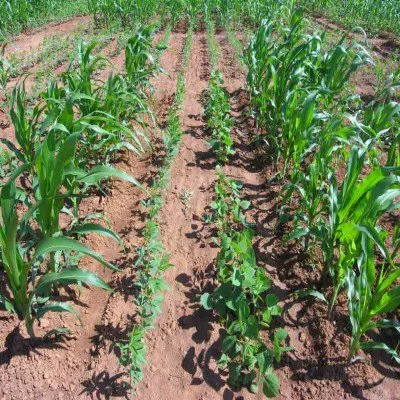
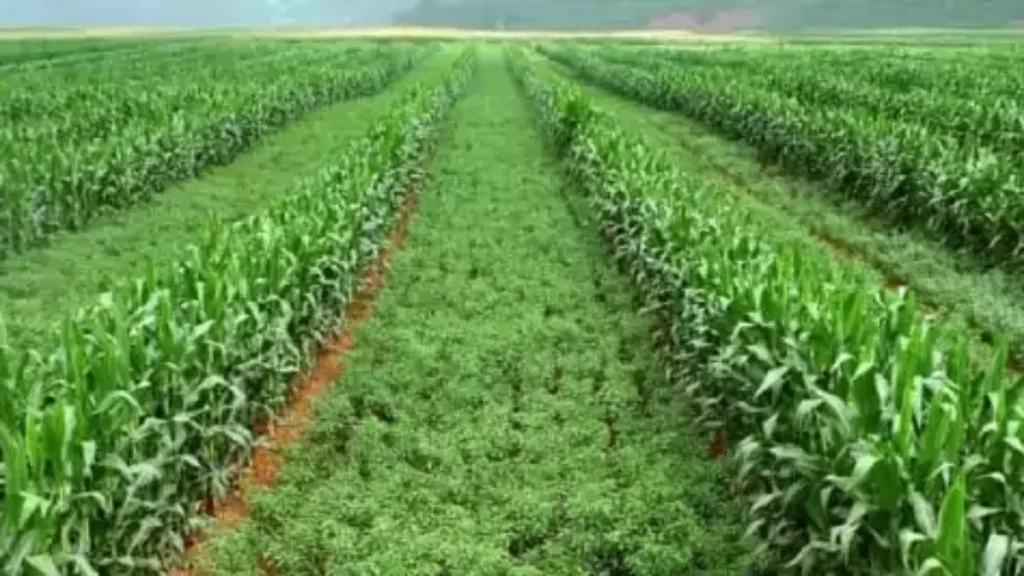
Mixed cropping is an agricultural practice where two or more different crops are grown together on the same piece of land during the same growing season. This approach is widely used in various farming systems, particularly in traditional and small-scale farming, to maximize the use of resources and enhance crop productivity.
The maturation time and water requirement of these plants should be different. Plants with a higher ability to draw nutrients from the soil should be planted with crops that have a lesser ability to draw nutrients from the soil; for example, plant melon, which is a crop that adds nutrients to the soil, together with maize, which is a crop that draws nutrients from the soil. If well practised, it brings about a successful cropping pattern.
ADVANTAGES OF MIXED CROPPING
1. Increased Yield and Productivity
Efficient Resource Use: Different crops have different resource requirements, such as light, water, and nutrients. Mixed cropping allows for more efficient use of these resources, often leading to higher overall yields compared to monocropping.
Higher Total Output: By growing multiple crops together, farmers can harvest different types of produce from the same plot of land, increasing the total output per unit area.
2. Risk Reduction
Diverse Crop Portfolio: Mixed cropping reduces the risk of total crop failure. If one crop fails due to adverse weather, pests, or diseases, the other crops may still perform well, ensuring at least some yield.
Buffer Against Market Fluctuations: By growing multiple crops, farmers can hedge against market price fluctuations for a single crop, providing more stable income.
3. Improved Soil Fertility
Nutrient Cycling: Different crops can have complementary effects on soil fertility. For instance, legumes fix atmospheric nitrogen, enriching the soil for other crops that require high nitrogen levels.
Organic Matter Addition: The diverse root systems and crop residues from mixed cropping contribute to organic matter in the soil, enhancing soil structure and fertility over time.
4. Pest and Disease Management
Natural Pest Control: The diversity of crops can disrupt the life cycles of pests, making it harder for them to spread and cause significant damage. Certain plants may act as natural repellents for pests that affect other crops.
Reduced Disease Spread: Mixed cropping can limit the spread of diseases by creating physical barriers between plants of the same species, making it less likely for pathogens to move from one plant to another.
5. Weed Suppression
Dense Canopy: The varied canopy structure of mixed crops can reduce the amount of sunlight reaching the soil, suppressing weed growth by shading them out.
Root Competition: Different crops with varying root systems can outcompete weeds for water and nutrients, reducing weed pressure.
6. Soil Conservation
Erosion Control: Mixed cropping helps protect the soil from erosion by providing continuous ground cover. The diverse root systems of different crops also improve soil structure and reduce the risk of soil loss.
Moisture Retention: The presence of multiple crops can help maintain soil moisture by reducing evaporation and improving water infiltration.
7. Biodiversity Enhancement:
Increased Species Diversity: Mixed cropping enhances biodiversity on the farm, promoting a healthier ecosystem. This diversity can attract beneficial insects, birds, and other wildlife that contribute to pest control and pollination.
Ecological Balance: A more diverse cropping system is generally more resilient to environmental stresses, as it mimics natural ecosystems where multiple species coexist and support each other.
8. Economic Benefits
Labour Efficiency: Mixed cropping can make better use of labour throughout the growing season, as different crops may require attention at different times.
Income Diversification: Growing multiple crops provides opportunities for multiple harvests, reducing dependence on a single crop and diversifying sources of income.
9. Cultural and Social Benefits
Traditional Knowledge: Mixed cropping is often rooted in traditional farming practices that have been passed down through generations. It preserves cultural heritage and promotes the use of indigenous knowledge in sustainable farming.
Food Security: By producing a variety of crops, mixed cropping contributes to local food security, ensuring a more diverse diet and reducing reliance on external food sources.
10. Environmental Sustainability
Reduced Chemical Use: The natural pest control and soil fertility benefits of mixed cropping can reduce the need for chemical inputs like pesticides and fertilizers, leading to a more sustainable farming system.
Carbon Sequestration: Mixed cropping can contribute to carbon sequestration in the soil, helping mitigate the effects of climate change.
INTERCROPPING
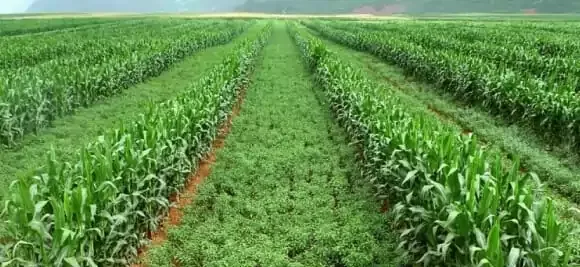
Intercropping is an agricultural practice that involves growing two or more crops together in the same field during the same growing season. This method is used to improve the efficiency of resource use, increase crop yields, and reduce the risk of crop failure. Intercropping can also enhance biodiversity and contribute to sustainable farming practices. It is a more intentional agricultural practice.
ADVANTAGES OF INTERCROPPING
- Resource Efficiency: Different crops often have different root depths, water needs, and nutrient requirements. By intercropping, farmers can make more efficient use of water, sunlight, and soil nutrients.
- Pest and Disease Control: A diverse cropping system can help reduce the spread of pests and diseases. Some crops can act as natural repellents for pests that might otherwise damage a monoculture crop.
- Improved Soil Health: Intercropping can help maintain or improve soil fertility. For example, legumes (such as beans or peas) can fix nitrogen in the soil, benefiting the other crops grown alongside them.
- Increased Yield Stability: By diversifying crops, farmers can reduce the risk of total crop failure due to adverse weather conditions, pests, or diseases. If one crop fails, the others might still produce a good yield.
- Biodiversity: Intercropping promotes biodiversity both above and below the soil, which can lead to a more resilient farming system.
CROP ROTATION
Crop rotation is an agricultural practice where different types of crops are grown in the same area across different seasons or years, rather than planting the same crop repeatedly on the same land. This method is used to improve soil health, reduce pest and disease pressure, and enhance crop yields over time.
ADVANTAGES OF CROP ROTATION
- Improved Soil Fertility: By alternating crops with different nutrient requirements, crop rotation helps maintain or even enhance soil fertility, reducing the need for chemical fertilizers.
- Reduced Pest and Disease Pressure: Rotation helps break the cycle of pests and diseases that specialize in particular crops, leading to fewer problems with infestations.
- Weed Suppression: Crop rotation can help reduce weed populations by varying the growing conditions, making it harder for weeds to adapt and thrive.
- Increased Crop Yields: Healthier soil and reduced pest and disease pressure often lead to better crop yields over time.
- Environmental Sustainability: Crop rotation contributes to more sustainable farming practices by reducing reliance on chemical inputs and promoting biodiversity in the field.