SACK FARMING
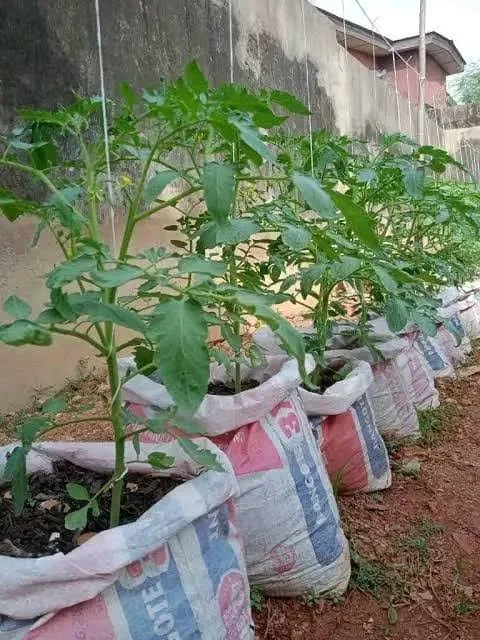
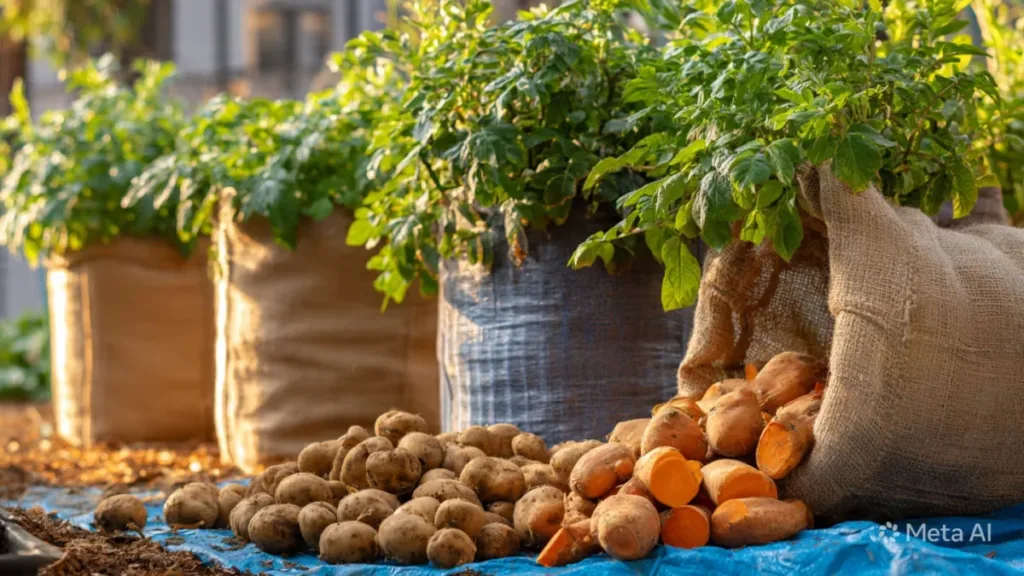
Sack farming, also known as sack gardening, is a form of urban agriculture where crops are grown in sacks, bags, or other containers filled with soil. This method is particularly useful in areas with limited space, poor soil quality, or urban environments where traditional farming is not feasible. It allows people to grow vegetables, herbs, and even small fruits in a compact, controlled environment.
ADVANTAGES OF SACK FARMING :
- Accessibility: Sack farming makes it possible for people in urban areas or those without access to arable land to grow their own food. This can improve food security and provide fresh produce in areas where it might otherwise be scarce or expensive.
- Cost-Effective: The materials needed for sack farming are often inexpensive and readily available. Old sacks, bags, or even recycled containers can be used, making it an affordable option for small-scale farming.
- Environmentally Friendly: Sack farming can contribute to sustainable agriculture by reducing the need for synthetic fertilizers and pesticides, conserving water, and promoting recycling and reuse of materials.
- Improved Soil Health: Because the soil in each sack can be tailored to the needs of the plants, it’s easier to manage soil health, reduce soil-borne diseases, and avoid issues like soil erosion that are common in traditional farming.
- Urban Greening: Sack farming can help increase green spaces in urban areas, contributing to better air quality, reduced urban heat islands, and enhanced community well-being.