WHY BACTERIAL WILT?
Bacterial wilt is a soil-borne bacterial disease infecting plants through soil, wounds, carriers, or infected weeds.
Bacterial wilt in tomatoes is a serious disease caused by the bacterium Ralstonia solanacearum. This pathogen is particularly devastating in warm, humid climates and can lead to significant crop losses.
WHEN BACTERIAL WILT IS BEGINNING TO AFFECT THE TOMATO.
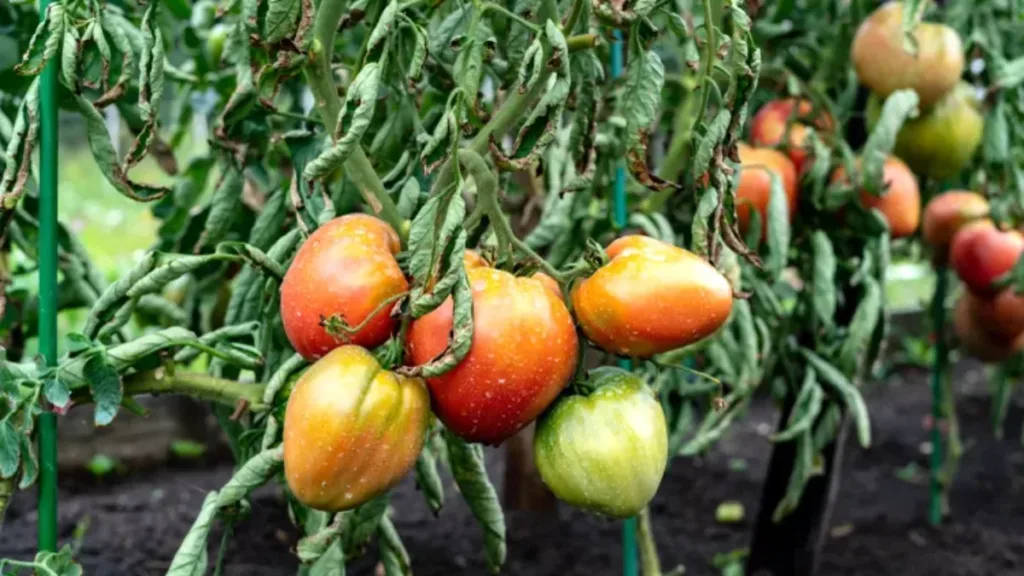
Tomatoes are stars in the garden. On the perfect stage, they grow with wild abandon, producing pounds of fruit, but when something is amiss, tomato plants can wilt with gusto. It’s not unusual for a tomato plant to appear vigorous and thriving one day and then be a limp collection of stems and leaves the next. Wilt is a sign of stress that needs to be addressed quickly to save the plant. Unfortunately, wilt is often not curable, but it can be prevented. YES! It can be prevented.
Meanwhile, a little sign of bacterial wilt in your tomato farm should not be overlooked.
HOW CAN I KNOW THE POSSIBLE SYMPTOMS OF BACTERIAL WILT?
- DROUGHT STRESS (Water stress)
Drought stress is one of the abiotic stresses, which shows dramatic changes in plant growth and yield. The condition of drought occurs when the available water in the soil declines. It also occurs because of insufficient rainfall and continuous water loss through the process of transpiration and evaporation (Jaleel et al., 2007).
Water stress is an important factor which limits the growth of plants at initial stages. It adversely affects plant morphology. Drought stress deteriorates plant height, leaf length, leaf weight, leaf area, fresh and dry weight in lemongrass species (Singh-Sangwan et al., 1994). - SOIL ANALYSIS:
Before you begin to plant tomatoes in an area, you must first engage in the soil analysis. This is to determine if that land is suitable for planting such a crop. A soil test should be done to determine if the soil is infected . This must be done before planting. - GROW TOLERANT VARIETIES
There are varieties that are tolerant; this means they can be managed well if planted in an infected area. They can tolerate those bacteria; some varieties may not be resistant, but they are tolerant. - WILTING
The most noticeable symptom is the sudden wilting of the plant, especially during the hottest part of the day. Initially, the wilting might be temporary, with plants recovering in the evening, but eventually, the wilting becomes permanent. - Leaf Yellowing:
The leaves may turn yellow, starting from the lower leaves and moving upwards. - Stem Symptoms:
When the stem is cut open, a brown discolouration can often be seen in the vascular tissues. In severe cases, a slimy, milky substance can ooze out when the stem is pressed. - Plant Death:
Infected plants usually die quickly, especially under warm and wet
HOW CAN BACTERIAL WILT BE PREVENTED?
Preventing bacterial wilt in a tomato farm requires a combination of preventive measures and management practices. Here’s a comprehensive approach to minimising the risk of bacterial wilt:
- Use Resistant Varieties:
Select Resistant Cultivars: Plant tomato varieties that are bred for resistance to bacterial wilt. While no variety is completely immune, resistant varieties can significantly reduce the incidence of the disease. - Implement Crop Rotation:
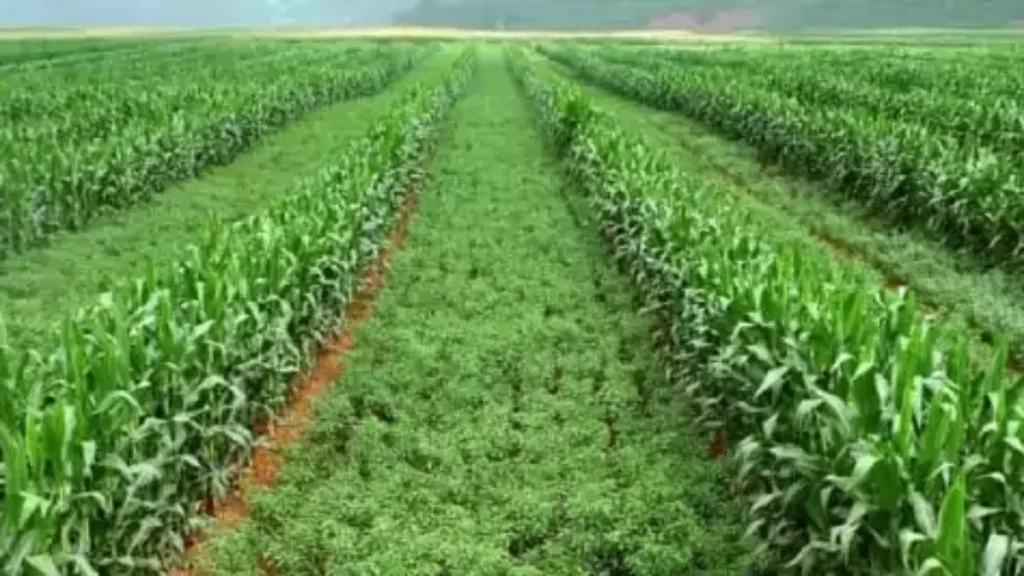
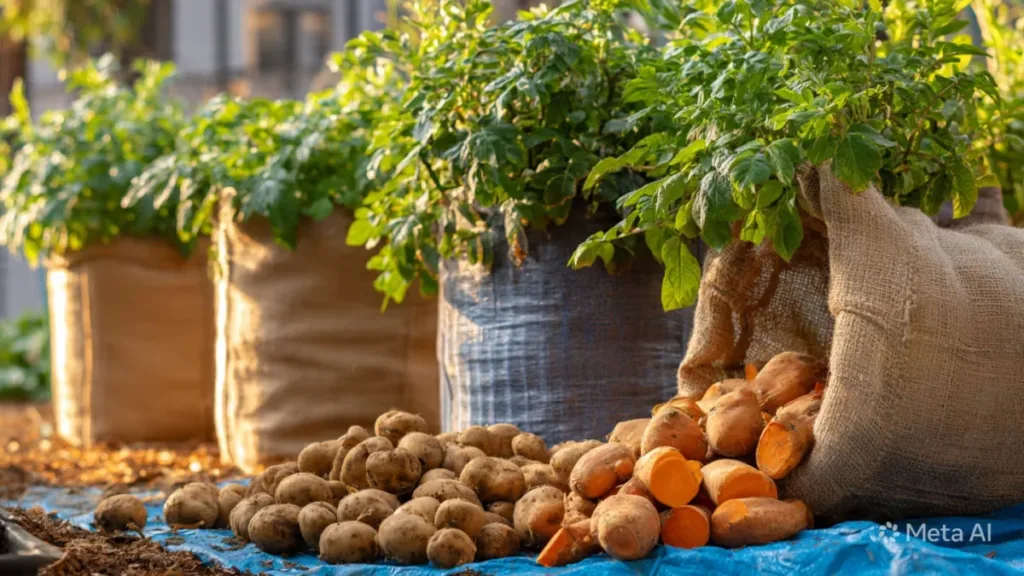
Rotate Crops: Avoid planting tomatoes or other susceptible crops (like peppers, eggplants, and potatoes) in the same soil year after year. Rotate with non-host crops such as cereals, legumes, or grasses for at least 2-3 years.
Break the Cycle: This practice helps reduce the population of Ralstonia solanacearum in the soil, as it lacks a host to infect. - Practice Good Soil and Water Management:
Improve Drainage: Ensure the soil is well-drained to prevent waterlogging, as waterlogged conditions favour the spread of the bacterium.
Water Management: Use drip irrigation instead of overhead watering to minimize water splash, which can spread the bacterium from plant to plant.
Avoid Contaminated Water: Ensure that irrigation water is clean and not sourced from areas where the disease has been detected. - Maintain Sanitation and Hygiene:
Disinfect Tools and Equipment: Regularly disinfect tools, machinery, and equipment to prevent the spread of the bacterium between plants or fields.
Planting Material: Use certified disease-free seeds and transplants to reduce the risk of introducing the pathogen to your farm.
Remove Infected Plants: If you spot symptoms of bacterial wilt, remove and destroy the infected plants immediately to prevent the disease from spreading. - Use Soil Amendments and Biocontrol:
Organic Amendments: Adding compost or organic matter to the soil can improve soil health and suppress the pathogen. Some organic amendments may enhance microbial activity, which competes with Ralstonia.
Biocontrol Agents: Incorporating beneficial microorganisms like Trichoderma or Pseudomonas fluorescens into the soil can help suppress the bacterial wilt pathogen. - Consider Soil Solarization:
Solarization: During hot months, cover the soil with clear plastic for 4-6 weeks to heat it. Solarization can reduce the population of the bacterium in the soil, making it less likely to infect future crops. - Monitor and Scout Regularly:
Regular Monitoring: Regularly inspect your plants for early signs of bacterial wilt. Early detection can help you take swift action to remove infected plants and prevent the spread of the disease.
Soil Testing: Test soil for the presence of Ralstonia if you suspect contamination, especially before planting in a new area. - Avoid Planting in Infected Areas:
Isolate New Plantings: Avoid planting tomatoes in areas known to have had bacterial wilt problems in the past. If possible, designate separate areas for planting and monitor these closely for any signs of infection.
CAN BACTERIAL WILT BE TREATED?
Bacterial wilt, caused by Ralstonia solanacearum, cannot be cured once a plant is infected. The disease is highly destructive and difficult to manage because the bacterium infects the vascular system of the plant, leading to rapid wilting and death. Here’s why curing the disease isn’t feasible:
- Systemic Infection:
Once Ralstonia solanacearum infects a plant, it spreads through the plant’s vascular system (xylem), clogging it and preventing water and nutrients from moving throughout the plant. This systemic nature makes it impossible to remove or kill the bacterium without destroying the entire plant. - Lack of Effective Chemical Control:
There are no effective chemical treatments available that can cure bacterial wilt in an infected plant. The bacterium is resistant to many antibiotics and chemical treatments, and spraying plants with bactericides generally has little to no effect. - Rapid Disease Progression:
The disease progresses quickly, especially in warm and humid conditions, causing plants to wilt and die rapidly. This quick progression makes it difficult to catch the disease early enough to attempt any kind of intervention. - Persistence in Soil:
Ralstonia solanacearum can survive in the soil for many years, even without a host plant. This +makes it difficult to eliminate the pathogen from an infected area, as it can re-infect new plants even after infected plants are removed. - Focus on Prevention:
Because there is no cure, management of bacterial wilt focuses on prevention and minimizing the spread of the disease. This includes using resistant varieties, practicing crop rotation, improving soil and water management, and maintaining strict hygiene and sanitation practices.
WHAT TO DO IF INFECTION OCCURS?
Remove Infected Plants: As soon as bacterial wilt is detected, immediately remove and destroy the infected plants to prevent the spread of the bacterium to healthy plants.
Isolate Affected Areas: Avoid planting in areas where bacterial wilt has occurred, as the pathogen can persist in the soil. Implement Preventive Measures: Focus on long-term strategies to prevent the disease from recurring, including crop rotation and soil health improvement.